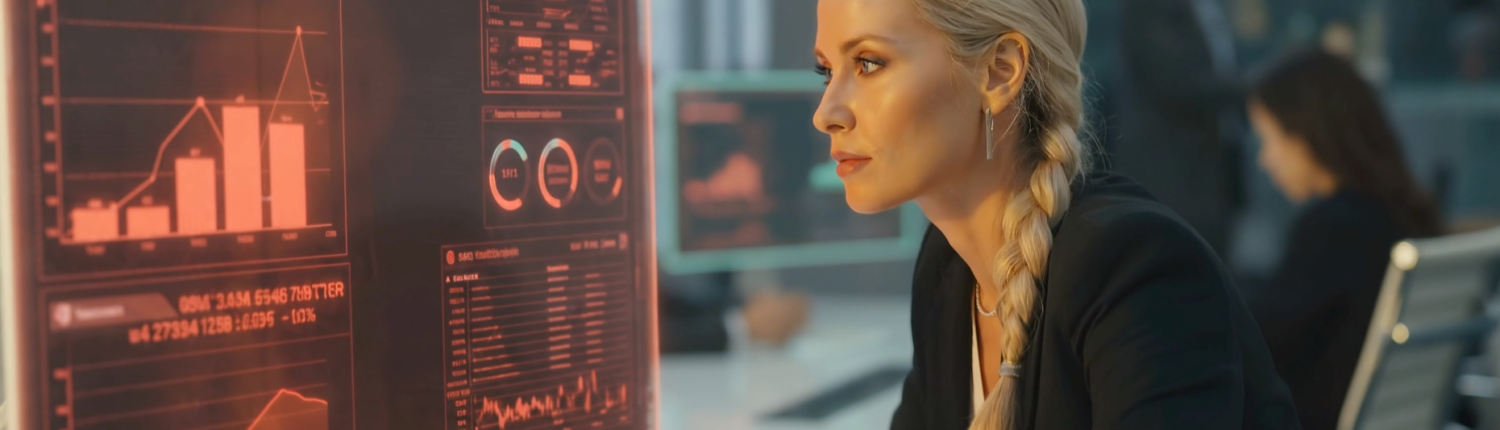
Ricardo, senior manager
Location: The Glass Tower, Executive Boardroom
Status: Confronting decision fatigue
The driving force behind “more, faster, better.” He pushes his team over the edge until he is left alone on an empty office floor. Ricardo is confronted with the horror of the “real price”: a successful milestone paid for with a 20% spike in sick leave.
The truth became undeniable
I stood in the boardroom today, staring at the team dashboard as it flashed a sharp, alarming red. For years, I have pushed for faster results, believing that velocity was the only metric of success. But the data tells a different story: we are pushing harder, yet we are slowing down. My first instinct was to find the bottleneck and fix it. But as I scanned the deadlines, the truth became undeniable.
Is this leadership?
I opened the Priority Snapshot tool on my tablet. It forced me to look at our “Top 3” for the day. I hesitated. In my mind, every project on that screen is vital. I am witnessing Decision Fatigue in real-time, where the quality of my leadership declines because I am drowning in choices without a hierarchy. Leadership isn’t doing more; it is the courage to say “no” to the wrong things.
I looked at my team. They are exhausted, yet they keep performing because I’ve set the expectation that they should. I’ve always wanted a team that follows my lead, but it seems they are exhausted. What went wrong?
The ROI of our tech versus the Cost of Priority
We often talk about the ROI of our tech, but we ignore the Cost of Priority. Companies that grant their employees Autonomy over how they manage their responsibilities see a massive spike in innovation and resilience. By micromanaging the “what” and the “when,” I have inadvertently stifled the “how” and the “why”. Autonomy is a strategic asset for any Senior Manager.
The dashboard doesn’t just show a drop in output; it shows a system failure. Research proves that for every euro a company invests in mental health, they see a 4-euro return in productivity.
Burnout-related turnover costs us 6 to 9 months of salary per employee. A stoic approach to leadership and management is no longer economically rational. The Cost of Inaction is simply too high to ignore.