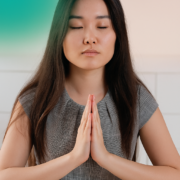
The self-check-in

Why this practice?

Mental health begins with self-awareness. Brief daily check-ins improve emotional literacy and prevent overwhelm..

What is it?

A daily moment where you ask yourself how you’re feeling. Physically, emotionally, and mentally.

How to use it

Set a reminder (morning or midday).

Ask: How do I feel in my body? Emotionally? Mentally?

Write it down or say it aloud.

Adjust your day if needed.

Closing thought

You can’t take care of what you ignore. Start by checking in, like you would with a friend.

Box breathing (4-4-4-4)

Why this practice?

Box breathing, used by Navy SEALs and therapists alike, is shown to balance the autonomic nervous system and reduce anxiety.

What is it?

A breathing pattern that consists of four equal parts: inhale, hold, exhale, hold.

How to use it

Inhale through your nose for 4 seconds.

Hold your breath for 4 seconds.

Exhale slowly for 4 seconds.

Hold again for 4 seconds.

Repeat for 3–5 minutes.

Closing thought

This square of breath builds calm. It’s a reliable reset for your nervous system, anytime, anywhere.

3-Minute breathing space

Why this practice?

The 3-minute breathing space, from Mindfulness-Based Cognitive Therapy (MBCT), is a simple way to bring your focus back to the present. Research from Mindful.org shows it reduces stress and supports self-regulation (). Research shows it reduces stress and supports self-regulation.

What is it?

A short, three-part breathing exercise. No meditation cushion required. Just yourself, three minutes, and your breath.

How to use it

Direct your attention (1 minute): What are you thinking, feeling, experiencing now?

Follow your breath (1 minute): Focus on your breathing.

Expand your awareness (1 minute): Feel your body. Notice tension. Let it be.

Closing thought

Especially on busy days, this practice gives you a breathing pause, a moment to return to yourself and feel calm. Try it today: three minutes is within reach for everyone.