Make a “breakthrough playlist”

Why this practice?
Music can support emotional regulation and motivation (Harvard Health, 2021).

What is it?
A custom playlist that lifts you during doubt or transition.

How to use it

Include energisers and calmers.

Play it during decision-making moments.

Closing thought
Soundtracks shape stories.

Create a “career story” playlist

Why this practice?
Music influences mindset and can anchor identity shifts (Neurosci Music Lab, 2021).

What is it?
A set of songs that represent who you are becoming.

How to use it

Add songs as you gain clarity.

Use it for motivation or reflection.

Closing thought
Your journey has a soundtrack. Press play.

Explore an industry podcast habit

Why this practice?
Staying current boosts confidence and conversation skills (Harvard Business School, 2023).

What is it?
A routine for learning through audio.

How to use it

Pick 1–2 podcasts in your interest area.

Listen weekly on walks or commutes.

Keep a note of takeaways or ideas.

Closing thought
Learning can be as easy as pressing play.

Practice open body language

Why this practice?

Nonverbal cues like posture and expression affect how safe people feel (Amy Cuddy, Presence).

What is it?

Using relaxed, open gestures in conversation.

How to use it

Uncross arms. Face people. Nod when listening. Smile. Notice the body signals you’re sending.

Closing thought

Your body speaks before your words do. Make it say “You’re welcome here.”

Eye softening moment

Why this practice?

Softening eye muscles reduces screen fatigue and activates the relaxation response (Vision Research Journal).

What is it?

A 1-minute pause to relax the eyes.

How to use it

Look into the distance or close your eyes. Breathe. Imagine your gaze softening. Let the effort go.

Closing thought

When your gaze softens, your mind follows.

Dance it out

Why this practice?

Dancing improves cardiovascular health, body image, and joy. Movement as expression is powerful (Frontiers in Psychology).

What is it?

A one-song dance moment to lift energy.

How to use it

Play a track that moves you. Let your body move however it wants. Feel the rhythm, not the form.

Closing thought

There’s wisdom in your wild moves.

Eye soften scan

Why this practice?

Soften your eyes and body to calm tension. Relaxed gaze supports nervous system balance (Journal of Psychosomatic Research).

What is it?

A short visual and body scan.

How to use it

Soften your eyes and jaw. Let your gaze widen. Scan your body for tension and release it.

Closing thought

Soften what you see. Soften what you feel.

Tibetan sky gazing

Why this practice?

Sky gazing, from Dzogchen meditation, trains open awareness and mental spaciousness. It reduces overthinking and supports relaxation (Consciousness and Cognition).

What is it?

A visual meditation using the open sky as an anchor.

How to use it

Lie or sit outside with a view of the sky. Gaze softly without focusing. Let your mind expand with the sky.

Closing thought

The sky doesn’t hold thoughts. You don’t have to either.

Yoga Nidra power pause

Why this practice?

Yoga Nidra, or yogic sleep, provides deep rest and a reset for the nervous system. It improves sleep and lowers stress (International Journal of Yoga).

What is it?

A guided body-scan meditation while lying down.

How to use it

Lie flat with eyes closed. Play a 10–15 minute Yoga Nidra audio. Let your awareness follow the voice.

Closing thought

Stillness is not absence; it’s restoration.

Sound bath at home

Why this practice?

Listening to soothing frequencies or nature sounds reduces heart rate and encourages mental clarity. Sound therapy is supported in clinical relaxation settings ().

What is it?

Creating a 5–10 minute soundscape to reset your nervous system.

How to use it

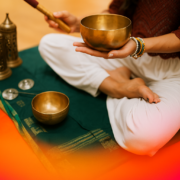
Find a calming playlist: rain, ocean, singing bowls.

Sit or lie down with headphones.

Focus only on sound, let thoughts drift.

Closing thought

Let sound carry you. You don’t have to do anything. Just receive.