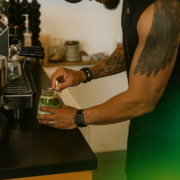
Behavioural activation moment

Why this practice?

From behavioural psychology, small actions can lift mood. Activity breaks the cycle of inertia and depression (Behaviour Research and Therapy).

What is it?

One meaningful action, even if you don’t feel like it.

How to use it

Choose something tiny but nourishing (e.g. brush teeth, go outside). Do it with full presence. Acknowledge completion.

Closing thought

Action precedes motivation.

Qigong breath flow

Why this practice?

Qigong breathing calms the nervous system, strengthens lung capacity, and cultivates inner awareness. It has been shown to reduce anxiety and depression symptoms (Complementary Therapies in Medicine).

What is it?

A slow, mindful breathing practice rooted in traditional Chinese medicine.

How to use it

Stand or sit comfortably with your spine straight. Inhale deeply through your nose as you raise your arms. Exhale slowly through your mouth as you lower your arms. Repeat for 3–5 minutes.

Closing thought

Every breath can carry calm when we choose to notice.

Adaptability stretch

Why this practice?

Practising small changes builds cognitive flexibility — key to psychological resilience. Studies show that adaptability improves mood and problem-solving (Harvard Business Review).

What is it?

A daily practice of changing a tiny habit on purpose.

How to use it

Choose a small routine (e.g., where you sit, your morning drink). Change it deliberately. Notice how your mind reacts — breathe through the discomfort.

Closing thought

Flex your flexibility. Every shift makes you more agile.

Box breathing (4-4-4-4)

Why this practice?

Box breathing, used by Navy SEALs and therapists alike, is shown to balance the autonomic nervous system and reduce anxiety.

What is it?

A breathing pattern that consists of four equal parts: inhale, hold, exhale, hold.

How to use it

Inhale through your nose for 4 seconds.

Hold your breath for 4 seconds.

Exhale slowly for 4 seconds.

Hold again for 4 seconds.

Repeat for 3–5 minutes.

Closing thought

This square of breath builds calm. It’s a reliable reset for your nervous system, anytime, anywhere.