Weekly review ritual

Why this practice?

A regular end-of-week check boosts clarity, learning, and goal alignment (Journal of Management Studies).

What is it?

A short weekly reflection and preview.

How to use it

Fridays: Review what worked, what didn’t. Note 3 key goals for next week. Celebrate small wins.

Closing thought

Clarity loves a weekly home.

Reflect and reset

Why this practice?

Short reflection helps course-correct and embed learning (Journal of Organisational Behaviour).

What is it?

A midday 3-question check-in.

How to use it

Pause around midday. Ask: What’s working? What’s not? What next? Adjust your plan calmly.

Closing thought

Midday wisdom keeps your day on track.

Energy scan

Why this practice?

Tuning in to body sensations increases self-awareness and emotion regulation (Frontiers in Psychology).

What is it?

A quick internal check of energy flow and tension.

How to use it

Close your eyes. Start at your head. Scan down slowly to your feet. Notice where you feel open, heavy, or tight.

Closing thought

Energy speaks. Learn to listen.

Shadow tracing

Why this practice?

Following natural light and shadows brings you into the moment and trains subtle observation (Mindfulness Journal).

What is it?

Noticing and visually tracing a shadow.

How to use it

Look for a shadow around you. Follow its shape with your eyes. Breathe with the slow tracing.

Closing thought

Even darkness has shape. Notice it gently.

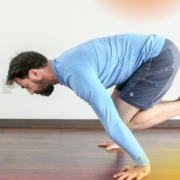
Strength pause

Why this practice?

Moderate strength training enhances confidence, hormone balance, and mood. It’s linked to lower rates of depression (JAMA Psychiatry).

What is it?

A few minutes of bodyweight or light strength movement.

How to use it

Choose 1–2 exercises (e.g. squats, push-ups, resistance band rows). Do them slowly and mindfully for 3–5 minutes. Breathe deeply with effort.

Closing thought

Building strength starts with one rep and self-respect.

Skill spark brainstorm

Why this practice?

Identifying personal growth ideas fuels workplace fulfilment. Learning activates motivation and engagement (Learning and Individual Differences).

What is it?

A quick note of something you’d like to learn.

How to use it

Pause and ask: “What skill could I grow this month?” Write it down. Take one small step.

Closing thought

Growth starts with one question.

Stoic view shift

Why this practice?

Stoic philosophy trains resilience through perspective. Mental reframing reduces distress and increases agency (Cognitive Behavioural Therapy Studies).

What is it?

A question to shift from control to clarity.

How to use it

When stressed, ask: “What can I control right now?” List one small action. Act or release.

Closing thought

Power grows where you place attention.

Tibetan sky gazing

Why this practice?

Sky gazing, from Dzogchen meditation, trains open awareness and mental spaciousness. It reduces overthinking and supports relaxation (Consciousness and Cognition).

What is it?

A visual meditation using the open sky as an anchor.

How to use it

Lie or sit outside with a view of the sky. Gaze softly without focusing. Let your mind expand with the sky.

Closing thought

The sky doesn’t hold thoughts. You don’t have to either.

Sankofa reflection

Why this practice?

The Ghanaian concept of Sankofa teaches us to look back with compassion. Learning from the past strengthens identity and wisdom (Journal of Black Psychology).

What is it?

A journal practice of reclaiming insight from past challenges.

How to use it

Write down one past difficulty. Ask: “What did I learn?” Reflect: “What will I carry forward?”

Closing thought

Your past isn’t a weight, it’s a well of wisdom.

Vipassana moment

Why this practice?

Vipassana trains the mind to observe sensations without reaction. This builds emotional clarity and reduces suffering (Clinical Psychology Review).

What is it?

A quiet scan of inner experience without judgement.

How to use it

Sit in silence and focus on your breath. Notice sensations in your body. Let thoughts pass by without following them.

Closing thought

Awareness is healing. Attention itself is care.