Positive memory anchor

Why this practice?

Recalling a positive moment boosts mood and resilience. Positive recall is linked to reduced stress reactivity (Applied Psychology: Health and Well-being).

What is it?

A mental snapshot of a good moment.

How to use it

Close your eyes. Remember a time you felt proud, calm, or loved. Replay the sounds, sights, and feelings.

Closing thought

Your past holds joy. Bring it forward.

Brazilian axé intention

Why this practice?

Axé, from Afro-Brazilian traditions, refers to life force and energy flow. Intention-setting directs this energy (Journal of Latin American Cultural Studies).

What is it?

A one-word intention to guide your day.

How to use it

Each morning, choose one word (e.g. “focus,” “ease,” “joy”). Write or speak it. Return to it when you need alignment.

Closing thought

Your energy follows your focus.

Celtic circle step

Why this practice?

Celtic traditions honour sacred movement. Repetitive stepping helps with stress relief and emotional rhythm (Dance Movement Therapy Journal).

What is it?

A rhythmic stepping ritual in a small circle.

How to use it

Create a circle with objects or chalk. Step slowly clockwise, then counter-clockwise. Breathe and let movement carry you.

Closing thought

You can return to yourself, one step at a time.

Mediterranean siesta reset

Why this practice?

Short daytime rests improve focus, energy, and emotional balance. Siestas align with natural circadian rhythms (Sleep Journal).

What is it?

A structured nap or quiet rest early in the afternoon.

How to use it

Set a timer for 10–20 minutes. Find a dark, quiet space to lie down. Let yourself rest, even without sleep.

Closing thought

Rest is not a luxury. It’s a rhythm your body remembers.

Smudge and silence

Why this practice?

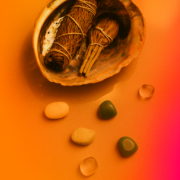
Smudging with sacred herbs like sage or cedar clears energy and creates ritual space. It marks a transition and fosters reflection (Substance Use and Misuse).

What is it?

A smoke-cleansing ritual followed by a pause in silence.

How to use it

Light a smudge stick or incense. Let the smoke drift around your body. Sit in silence for three minutes.

Closing thought

Let the smoke lift what burdens you. Rise with it.

Seon breath focus

Why this practice?

Korean Seon (Zen) breathing anchors attention and calms the nervous system. It helps build clarity and inner calm (Mindfulness Journal).

What is it?

A breath-counting method to anchor focus.

How to use it

Inhale and count “one,” exhale and count “two,” up to ten. Start over each time your mind wanders. Return to one breath at a time.

Closing thought

Come back to breath, it’s always now, always enough.

Puzzle meditation

Why this practice?

Working with your hands on simple puzzles improves focus and reduces stress by engaging the brain’s problem-solving networks while calming the body.

What is it?

Using a small jigsaw, a crossword, or a logic puzzle as a meditative tool.

How to use it

Choose a puzzle that’s enjoyable but not frustrating.

Work for 10–15 minutes without pressure.

Focus only on shape, pattern, or clues, not time.

Closing thought

Solving doesn’t always mean fixing. It can simply mean being absorbed.

One hour of silence

Why this practice?

Silence restores the nervous system and helps us reconnect with our inner voice. Research shows it enhances memory, focus, and creativity.

What is it?

Setting aside one hour without talking, media, or noise.

How to use it

Choose a time when you won’t be disturbed.

Turn off notifications and avoid conversations.

Sit, walk, or do gentle tasks in silence.

Closing thought

In silence, the mind settles. What remains is clarity.

One act of order

Why this practice?

Creating order in your environment supports clarity and reduces cognitive load. A tidy space improves focus and lowers stress levels.

What is it?

Doing one small act that brings order: stack books, wipe a counter, organise a folder.

How to use it

Choose one small area of your space.

Spend five minutes creating calm and order.

Notice how it changes your mental state.

Closing thought

Outer calm invites inner calm. One action is enough to shift the energy.

Set a ‘Work Off’ ritual

Why this practice?

Ending your workday with a ritual signals your brain to shift from productivity to rest. This transition reduces burnout and improves work-life balance ().

What is it?

A consistent practice that marks the end of your workday.

How to use it

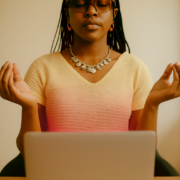
Choose a signal: close your laptop, light a candle, or take a walk.

Do it every day at the same time if possible.

Say to yourself: “Work is done for today.”

Closing thought

You are not your inbox. Honour the close of your day like you honour its start.