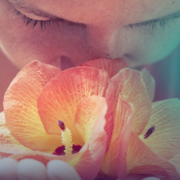
Mate ritual moment

Why this practice?

In South American cultures, sharing mate tea builds connection and grounded presence (Latin American Journal of Cultural Studies).

What is it?

A solo or shared ritual with warm tea.

How to use it

Make or pour a warm drink. Hold it with both hands. Sip slowly while staying fully present.

Closing thought

Shared warmth needs no words.

Zen one-breath

Why this practice?

Zen Buddhism emphasises the power of one conscious breath to reset and centre the mind (Journal of Buddhist Ethics).

What is it?

Pausing for one full, mindful breath.

How to use it

Stop whatever you’re doing. Inhale slowly through the nose. Exhale slowly through the mouth. Let go of thoughts, just for that breath.

Closing thought

One breath is a world of peace.

Ubuntu greeting

Why this practice?

Ubuntu, a Southern African philosophy meaning “I am because we are,” fosters mutual recognition and belonging (African Journal of Psychology).

What is it?

A simple, sincere greeting rooted in shared humanity.

How to use it

When greeting someone, pause. Look into their eyes, nod, and say a kind word. Acknowledge their presence as part of your shared community.

Closing thought

Seeing each other fully is the beginning of care.

Quiet presence

Why this practice?

Deliberate silence invites inner calm and opens space for awareness (Mindfulness Journal).

What is it?

Spending a moment fully silent and alert.

How to use it

Turn off devices or sounds. Be still for one minute. Notice sounds, breath, and stillness.

Closing thought

Silence isn’t empty. It’s full of knowing.

Morning light moment

Why this practice?

Exposure to morning sunlight helps regulate circadian rhythms and boosts serotonin (Journal of Affective Disorders).

What is it?

Intentionally receiving morning sunlight.

How to use it

Go outside or sit by a window early in the day. Let the light reach your face for 3–10 minutes. Breathe in the newness of the day.

Closing thought

Start your day lit by nature, not screens.

Sit with a tree

Why this practice?

Trees emit compounds that calm the nervous system and improve mood (International Journal of Environmental Research and Public Health).

What is it?

Sitting in quiet presence near a tree.

How to use it

Find a tree and sit nearby. Notice the texture, movement, and sounds. Let the stillness support you.

Closing thought

Trees don’t rush and they thrive.

Gaze at a pattern

Why this practice?

Repetitive visual stimuli calm the mind and enhance concentration (Journal of Vision).

What is it?

Gazing at a pattern: fabric, tile, clouds, with mindful attention.

How to use it

Find a repeating or organic pattern. Gaze gently for 60 seconds. Let your breath match the rhythm.

Closing thought

Patterns outside you can settle patterns within.

Smell check-in

Why this practice?

Scent directly influences the brain’s limbic system, which regulates emotion and memory (Chemical Senses Journal).

What is it?

Noticing and naming a scent in your environment.

How to use it

Pause and breathe in. Notice any natural or artificial scents. Name it without judgment.

Closing thought

Even your nose can guide you back to now.

One kind sentence

Why this practice?

Acts of kindness release oxytocin, build connection, and support emotional resilience (Journal of Social Psychology).

What is it?

Saying or writing a kind sentence to yourself or someone else.

How to use it

Pause. Say or send one true, kind thing. Let it be small but sincere. Feel the warmth.

Closing thought

Kindness changes more than moods. It shifts the air.

Grounded barefoot pause

Why this practice?

Barefoot contact with natural surfaces can reduce inflammation and improve sleep and mood through grounding effects (Journal of Environmental and Public Health).

What is it?

Standing barefoot on earth or natural surface.

How to use it

Find a patch of grass, sand, or natural floor. Stand for 2–5 minutes. Breathe. Feel contact. Notice sensations in your feet.

Closing thought

The earth can steady what the mind cannot.