The smile experiment

Why this practice?

Smiling, even when not spontaneous, triggers the release of dopamine and serotonin. It can improve mood and reduce stress by activating positive facial feedback loops (NIH).

What is it?

A gentle, intentional smile to shift your emotional state.

How to use it

Sit quietly and relax your face.

Gently lift the corners of your mouth.

Hold the smile for 30 seconds and breathe slowly.

Closing thought

A smile can change your chemistry. Let it be your quiet superpower today.

Cook Something Colourful

Why this practice?

Colourful meals encourage diverse nutrition, which supports mental and physical wellbeing. Preparing food mindfully also reduces stress and increases satisfaction ().

What is it?

Making a vibrant, simple meal with at least three colours of whole foods.

How to use it

Choose ingredients with different natural colours (e.g., spinach, carrot, beet).

Prepare with calm and presence.

Eat slowly and notice the taste and texture.

Closing thought

Food is fuel, and colour is medicine. Let your plate reflect your care.

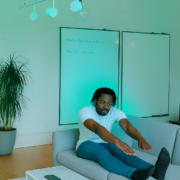
One-minute stretch

Why this practice?

Stretching improves circulation, reduces muscle tension, and increases endorphin levels. Even one minute of stretching can boost both mental and physical energy..

What is it?

A short, full-body stretch to refresh your focus and posture.

How to use it

Stand up or sit tall.

Reach arms overhead, then stretch side to side.

Roll your shoulders, stretch your legs, and take a deep breath.

Closing thought

Pause. Reach. Breathe. Your body will thank you, so will your mind.

Breath before react

Why this practice?

A single conscious breath helps regulate the nervous system. Research in behavioural science confirms it reduces impulsivity and increases emotional control ().

What is it?

A pause before responding, to people, messages, stress.

How to use it

Notice a trigger or urge to react.

Inhale slowly through your nose.

Exhale slowly through your mouth.

Respond only after this pause.

Closing thought

Between impulse and action lies power. One breath can change everything.

Doodle for calm

Why this practice?

Drawing, even casually, activates the brain’s reward system and reduces cortisol. It helps process emotion and improves mental clarity.

What is it?

Spontaneous, unplanned drawing , not for art, but for peace.

How to use it

Take a pen and paper.

Let your hand move freely, no judgment or goals.

Doodle for 5–10 minutes.

Closing thought

Creativity heals. You don’t have to be an artist to find calm in colour and lines.

One minute of nature

Why this practice?

Even brief exposure to natural elements reduces stress and boosts mood. A study found that just 40 seconds of viewing greenery improves focus ().

What is it?

A short moment of contact with nature, visual or physical.

How to use it

Step outside or look out a window.

Focus on a tree, plant, sky, or bird.

Breathe deeply and stay with that image for 60 seconds.

Closing thought

Even a minute of green can bring you back to balance. Nature doesn’t need much time, only your presence.

The digital-free morning

Why this practice?

Avoiding screens in the first hour after waking supports clearer thinking and better mood regulation. Research links early screen use to increased stress and reduced focus.

What is it?

A morning routine free of emails, news or social media.

How to use it

Avoid looking at your phone for at least 30–60 minutes after waking.

Replace with a non-digital activity: shower, read, stretch, journal.

Use an alarm clock instead of your phone if needed.

Closing thought

How you start your day sets the tone. Begin with intention, not interruption.

Small acts of kindness

Why this practice?

Helping others activates brain areas associated with pleasure, trust, and social connection. Kindness boosts serotonin and reduces stress ().

What is it?

A daily intention to offer a simple gesture of kindness.

How to use it

Choose one action: send a kind message, hold a door, or compliment someone.

Do it without expecting anything in return.

Reflect on how it made you feel.

Closing thought

Kindness is never wasted. Every small gesture has the power to ripple outwards.

One shelf declutter

Why this practice?

Clutter contributes to anxiety and reduces mental clarity. A single tidy-up can improve your sense of control and focus.

What is it?

Tidying up a small area in your home: one shelf, drawer, or surface.

How to use it

Pick a small, defined space.

Remove what doesn’t belong or isn’t useful.

Wipe it down and return only the essentials.

Closing thought

Order in your space creates order in your mind. A small shift can change your whole day.

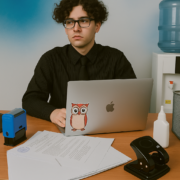
Micro-movements at your desk

Why this practice?

Sedentary behaviour impacts mental health. Short, intentional movements improve blood flow, posture, and reduce stress ().

What is it?

Quick physical movements integrated into your workday.

How to use it

Every hour, do 1 minute of shoulder rolls, twists, or leg stretches.

Set a timer or use your natural task breaks.

Stay seated or stand, no need to leave your workspace.

Closing thought

You don’t need a gym to honour your body. Movement is medicine, even at your desk.