Yoga Nidra power pause

Why this practice?

Yoga Nidra, or yogic sleep, provides deep rest and a reset for the nervous system. It improves sleep and lowers stress (International Journal of Yoga).

What is it?

A guided body-scan meditation while lying down.

How to use it

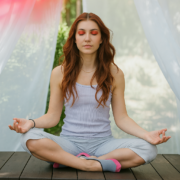
Lie flat with eyes closed. Play a 10–15 minute Yoga Nidra audio. Let your awareness follow the voice.

Closing thought

Stillness is not absence; it’s restoration.

Scandinavian hygge pause

Why this practice?

Hygge, the Scandinavian concept of cosy togetherness, has been linked to reduced stress and increased life satisfaction, especially during darker months (International Journal of Wellbeing).

What is it?

Creating a warm, comforting space and moment to pause and recharge.

How to use it

Light a candle, wear soft clothes, and make tea. Sit somewhere cosy, no phones, no to-dos. Soak in the comfort without rushing it.

Closing thought

Comfort isn’t laziness, it’s nourishment.

Compassionate listening

Why this practice?

Listening with compassion reduces conflict and fosters belonging. Research shows that empathic listening decreases stress in both speaker and listener (Journal of Positive Psychology).

What is it?

A 5-minute conversation where your only goal is to listen.

How to use it

Ask someone how they’re feeling. Listen fully without interrupting or advising. At the end, say: “Thank you for sharing that.”

Closing thought

Listening is a gift and the beginning of healing.

Ubuntu reflection practice

Why this practice?

Ubuntu is an African philosophy centred on interconnectedness — “I am because we are.” Practising Ubuntu reflection strengthens empathy and community bonds. Research supports communal identity as a protective factor in mental health (Journal of Community Psychology).

What is it?

A daily pause to consider how your actions connect to others and to shared well-being.

How to use it

At the end of your day, ask: “How did I support others today?” Reflect on one way you felt connected. Consider how you can honour that connection tomorrow.

Closing thought

When we root in “we,” the “I” becomes stronger.

Puzzle meditation

Why this practice?

Working with your hands on simple puzzles improves focus and reduces stress by engaging the brain’s problem-solving networks while calming the body.

What is it?

Using a small jigsaw, a crossword, or a logic puzzle as a meditative tool.

How to use it

Choose a puzzle that’s enjoyable but not frustrating.

Work for 10–15 minutes without pressure.

Focus only on shape, pattern, or clues, not time.

Closing thought

Solving doesn’t always mean fixing. It can simply mean being absorbed.

The forgiveness pause

Why this practice?

Letting go of resentment improves cardiovascular health and reduces emotional reactivity. Even a brief moment of intentional forgiveness reduces stress hormones ().

What is it?

Taking a quiet moment to forgive yourself or someone else, without needing resolution.

How to use it

Sit quietly and breathe.

Think of a person or situation that weighs on you.

Silently say: “I release this for my peace.”

Closing thought

Forgiveness doesn’t excuse. It frees. Let peace be the point.

Sound bath at home

Why this practice?

Listening to soothing frequencies or nature sounds reduces heart rate and encourages mental clarity. Sound therapy is supported in clinical relaxation settings ().

What is it?

Creating a 5–10 minute soundscape to reset your nervous system.

How to use it

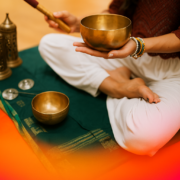
Find a calming playlist: rain, ocean, singing bowls.

Sit or lie down with headphones.

Focus only on sound, let thoughts drift.

Closing thought

Let sound carry you. You don’t have to do anything. Just receive.

Mindful hand washing

Why this practice?

A repetitive daily task can become a mindfulness ritual. Mindful handwashing has been linked to reduced stress and increased presence ().

What is it?

Turning the act of washing your hands into a moment of awareness.

How to use it

Notice the sensation of water, soap, and movement.

Breathe slowly as you wash.

Let it mark a pause between tasks.

Closing thought

Presence doesn’t require silence. It can begin with soap and water.

The grounding object

Why this practice?

Holding a familiar object can quickly bring a sense of stability during moments of stress. Tactile grounding helps regulate anxiety and activates parasympathetic calm responses ().

What is it?

Use a physical object (e.g., a stone, a bracelet, fabric) to anchor your focus.

How to use it

Choose a small, meaningful item.

Keep it in your pocket or bag.

Hold or touch it when you feel overwhelmed. Notice the texture and temperature.

Closing thought

In your hand, a reminder: you are here, and you are safe.

One act of order

Why this practice?

Creating order in your environment supports clarity and reduces cognitive load. A tidy space improves focus and lowers stress levels.

What is it?

Doing one small act that brings order: stack books, wipe a counter, organise a folder.

How to use it

Choose one small area of your space.

Spend five minutes creating calm and order.

Notice how it changes your mental state.

Closing thought

Outer calm invites inner calm. One action is enough to shift the energy.