Sit and stare

Why this practice?

Intentional mind-wandering supports creativity and rest. Doing nothing on purpose restores cognitive energy (Frontiers in Human Neuroscience).

What is it?

A short, intentional pause to stare out a window or into the distance.

How to use it

Sit somewhere quiet. Look out without focusing on anything. Let your mind be still or drift.

Closing thought

Stillness is not idleness; it’s mental spaciousness.
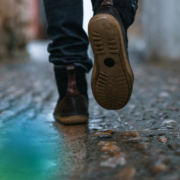
Change trail

Why this practice?

Micro-experiments with change build adaptability and reduce stress responses to uncertainty (Journal of Experimental Psychology).

What is it?

A small variation in your routine.

How to use it

Take a new route, rearrange your desk, try a different sequence. Notice how you respond. Breathe through the unfamiliar.

Closing thought

Adaptability is a muscle, and practice is the gym.

Safe space visual

Why this practice?

Visualising a safe, calm space activates the parasympathetic nervous system and provides emotional regulation (Psychology & Psychotherapy Journal).

What is it?

A short mental imagery practice.

How to use it

Close your eyes. Picture a place where you feel safe. Use all senses: sight, sound, touch. Stay there for 2 minutes.

Closing thought

Safety isn’t always a location. Sometimes, it’s imagination.

Cold splash reset

Why this practice?

Brief exposure to cold water can activate the vagus nerve, increase alertness, and reduce stress responses (International Journal of Circumpolar Health).

What is it?

A splash of cold water on the face or a quick cold rinse.

How to use it

Use cold water on your face or hands. Pause to breathe slowly after. Notice the physical shift in energy.

Closing thought

When in doubt, splash it out.

Swim break

Why this practice?

Swimming reduces stress, supports cardiovascular health, and improves mood. The water's resistance and rhythm calm the nervous system (British Journal of Sports Medicine).

What is it?

A short recreational swim or even a float session.

How to use it

Visit a nearby pool or natural water. Swim at your own pace or float calmly. Let the water carry some of the tension.

Closing thought

Let your body feel light, even when your mind feels heavy.

Five-minute walk loop

Why this practice?

Walking activates brain networks for creativity and mood regulation. Even short walks boost wellness (Stanford University).

What is it?

A five-minute outdoor or indoor walk with mindful attention.

How to use it

Pick a safe walking route (hallway, block, garden). Walk slowly and notice your breath and steps. Let your thoughts come and go.

Closing thought

Wellness moves with your feet.

Reflective commute

Why this practice?

Transition rituals help the brain shift between roles and spaces. Reflection improves wellbeing (Work and Stress Journal).

What is it?

Mental transition at start or end of work.

How to use it

Before logging in or out, take 3 minutes. Ask: “What do I want to bring in or leave behind?” Move mindfully.

Closing thought

The path between roles deserves its own care.

Eco-check action

Why this practice?

Small sustainable acts support societal wellbeing. Everyday green choices matter (Environmental Psychology Review).

What is it?

A single environmentally conscious action.

How to use it

Turn off a device, recycle, reuse, reduce. Pick one each day. Feel the ripple.

Closing thought

Wellness extends to the planet too.

Water glass moment

Why this practice?

Mild dehydration can affect mood and focus. A small hydration habit restores mental clarity (Journal of Nutrition).

What is it?

A ritual of drinking water slowly and consciously.

How to use it

Pause. Fill a glass of water. Drink slowly, one sip at a time. Notice the sensation and refresh.

Closing thought

Wellness begins with water.

Empathy pause

Why this practice?

Pausing to imagine what someone else might feel increases empathy. It reduces reactive thinking (Journal of Social Psychology).

What is it?

A mental check-in from another’s perspective.

How to use it

Before responding, ask: “What might they be feeling right now?” Hold that perspective for a few breaths.

Closing thought

Empathy grows in the space between reactions.