Positive memory anchor

Why this practice?

Recalling a positive moment boosts mood and resilience. Positive recall is linked to reduced stress reactivity (Applied Psychology: Health and Well-being).

What is it?

A mental snapshot of a good moment.

How to use it

Close your eyes. Remember a time you felt proud, calm, or loved. Replay the sounds, sights, and feelings.

Closing thought

Your past holds joy. Bring it forward.

Trust memory recall

Why this practice?

Recalling a moment of trust reactivates calm and connection pathways in the brain (Social Cognitive and Affective Neuroscience).

What is it?

A mental replay of a trustful moment.

How to use it

Close your eyes. Recall someone who made you feel safe. Remember where you were, what they said. Let the feeling return.

Closing thought

The brain remembers trust. Let it remind you.

Safety anchor

Why this practice?

Creating a physical cue of calm helps manage stress and strengthens emotional resilience (Clinical Psychology Science).

What is it?

A gesture, word, or object that reminds you of safety.

How to use it

Pick a hand gesture, like touching your heart. Use it during tension. Repeat: “I am safe. I can choose.”

Closing thought

You can carry calm anywhere.

I-language moment

Why this practice?

Speaking from your experience fosters ownership and reduces blame. It supports constructive dialogue (Nonviolent Communication).

What is it?

Using “I feel…” rather than “You always…”

How to use it

Practice with small frustrations: “I feel tired when I’m interrupted.” Pause. Let it land.

Closing thought

Speak from self. That’s where connection grows.

Body as signal

Why this practice?

Noticing physical sensations helps you detect stress before it builds. Interoception improves emotional regulation (Neuroscience and Biobehavioral Reviews).

What is it?

A moment of tuning into your body’s signals.

How to use it

Scan from head to toe. Notice where tension or ease lives. Adjust your pace or behaviour accordingly.

Closing thought

Your body tells the truth. Listen early.

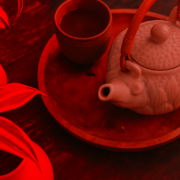
Bedouin slow tea ritual

Why this practice?

Bedouin tea rituals honour presence and pause. Mindful rituals reduce stress and improve heart coherence (Mindfulness Journal).

What is it?

A slow, respectful tea-making process.

How to use it

Boil water and prepare tea slowly. Focus on each step. Sip slowly, savouring the moment.

Closing thought

Slowness restores what speed erodes.

Symbolic letting go

Why this practice?

Ritualising release helps the brain process change. Symbolic acts reduce emotional load (Ritual Studies Journal).

What is it?

A small act to release something mentally heavy.

How to use it

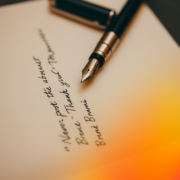
Write down a burden or worry. Tear it up, burn it safely, or bury it. Say: “I release this now.”

Closing thought

What you name and release, no longer owns you.

Existential anchoring

Why this practice?

Existential therapy encourages meaning-making. A personal why improves resilience and mental health (Journal of Humanistic Psychology).

What is it?

A reflection on personal meaning.

How to use it

Ask: “What matters to me today?” Write it on a small note. Keep it visible as an anchor.

Closing thought

You don’t need all the answers. Just a reason.

Neuroplasticity nudge

Why this practice?

Small mental habits rewire the brain. Practising gratitude or optimism strengthens pathways linked to resilience (Nature Reviews Neuroscience).

What is it?

A daily neural micro-shift.

How to use it

Choose one thought to practise: “This moment is enough.” Repeat it three times. Breathe and feel it in your body.

Closing thought

The brain becomes what you rehearse.

Stoic view shift

Why this practice?

Stoic philosophy trains resilience through perspective. Mental reframing reduces distress and increases agency (Cognitive Behavioural Therapy Studies).

What is it?

A question to shift from control to clarity.

How to use it

When stressed, ask: “What can I control right now?” List one small action. Act or release.

Closing thought

Power grows where you place attention.