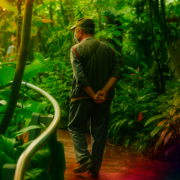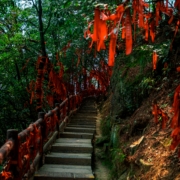
Taoist walking stillness

Why this practice?

Taoist walking cultivates balance, inner quiet and flow. Slow movement practices improve mental clarity (Asian Journal of Sport and Exercise Psychology).

What is it?

A meditative walk with deep awareness.

How to use it

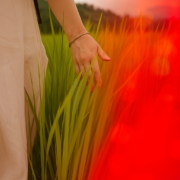
Walk slowly for 5–10 minutes. Focus on each footstep and breath. Let your body lead your mind.

Closing thought

You can move and still be still. That’s the paradox of peace.
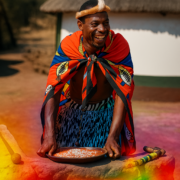
Zulu morning song

Why this practice?

Zulu morning chants affirm identity and purpose. Singing out loud increases vagal tone and mood (Frontiers in Psychology).

What is it?

A short affirming chant to start your day.

How to use it

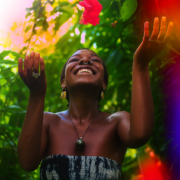
Choose a line you believe in: “I rise strong.” Sing or chant it three times. Let the words land in your body.

Closing thought

Speak your strength. Your voice will believe you.

Berber earth touch

Why this practice?

Berber traditions include deep connection to land and place. Touching earth enhances grounding and reduces anxiety (International Journal of Environmental Research and Public Health).

What is it?

A deliberate physical connection with soil or sand.

How to use it

Place your hands or feet in soil. Breathe deeply and focus on the texture. Say: “I belong to this earth.”

Closing thought

The ground holds us. Sometimes we forget to notice.

Maori haka breath stance

Why this practice?

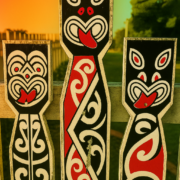
The haka teaches grounding, power and identity through movement and sound. Breath-centred stance increases body awareness and assertiveness (Journal of Bodywork and Movement Therapies).

What is it?

A firm-footed posture with strong breathing and intention.

How to use it

Stand tall with feet apart. Breathe into your belly. Repeat silently: “I stand in my strength.”

Closing thought

Courage isn’t loud. Sometimes it’s breath that doesn’t break.

Mediterranean siesta reset

Why this practice?

Short daytime rests improve focus, energy, and emotional balance. Siestas align with natural circadian rhythms (Sleep Journal).

What is it?

A structured nap or quiet rest early in the afternoon.

How to use it

Set a timer for 10–20 minutes. Find a dark, quiet space to lie down. Let yourself rest, even without sleep.

Closing thought

Rest is not a luxury. It’s a rhythm your body remembers.

Friluftsliv minute

Why this practice?

Friluftsliv, “open-air living,” boosts resilience and mood through outdoor contact. Even brief nature exposure restores calm (Nature Journal).

What is it?

A moment of mindful presence in fresh air.

How to use it

Step outside. Notice the light, air, and sounds around you. Breathe deeply — no agenda.

Closing thought

You don’t need a forest. Just a moment of sky.

Pachamama gratitude

Why this practice?

Giving thanks to Pachamama, Mother Earth, builds a connection to place and self. Gratitude enhances mood and perspective (Ecopsychology Journal).

What is it?

A spoken or silent thank-you to the ground beneath you.

How to use it

Stand barefoot outside. Say: “Thank you for holding me.” Touch the earth and feel its support.

Closing thought

Gratitude grows roots. Let yourself belong.

Smudge and silence

Why this practice?

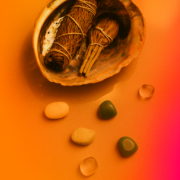
Smudging with sacred herbs like sage or cedar clears energy and creates ritual space. It marks a transition and fosters reflection (Substance Use and Misuse).

What is it?

A smoke-cleansing ritual followed by a pause in silence.

How to use it

Light a smudge stick or incense. Let the smoke drift around your body. Sit in silence for three minutes.

Closing thought

Let the smoke lift what burdens you. Rise with it.

Hapé grounding breath

Why this practice?

Amazonian Hapé rituals combine breath and intent to centre the body and spirit. Grounding breath restores focus and balance (Journal of Ethnopharmacology).

What is it?

A short, intentional breath ritual rooted in ceremony.

How to use it

Sit quietly and close your eyes. Inhale deeply, exhale with a gentle sigh. Set a silent intention: “I ground. I release.”

Closing thought

Breath is sacred. Let it carry what no longer serves.

Vipassana moment

Why this practice?

Vipassana trains the mind to observe sensations without reaction. This builds emotional clarity and reduces suffering (Clinical Psychology Review).

What is it?

A quiet scan of inner experience without judgement.

How to use it

Sit in silence and focus on your breath. Notice sensations in your body. Let thoughts pass by without following them.

Closing thought

Awareness is healing. Attention itself is care.