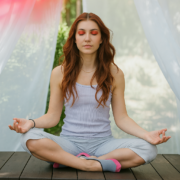
Qigong breath flow

Why this practice?

Qigong breathing calms the nervous system, strengthens lung capacity, and cultivates inner awareness. It has been shown to reduce anxiety and depression symptoms (Complementary Therapies in Medicine).

What is it?

A slow, mindful breathing practice rooted in traditional Chinese medicine.

How to use it

Stand or sit comfortably with your spine straight. Inhale deeply through your nose as you raise your arms. Exhale slowly through your mouth as you lower your arms. Repeat for 3–5 minutes.

Closing thought

Every breath can carry calm when we choose to notice.
Yoga Nidra power pause

Why this practice?

Yoga Nidra, or yogic sleep, provides deep rest and a reset for the nervous system. It improves sleep and lowers stress (International Journal of Yoga).

What is it?

A guided body-scan meditation while lying down.

How to use it

Lie flat with eyes closed. Play a 10–15 minute Yoga Nidra audio. Let your awareness follow the voice.

Closing thought

Stillness is not absence; it’s restoration.

Morning sun ritual

Why this practice?

Morning sunlight boosts serotonin and sets your circadian rhythm, improving mood and sleep. It’s a key part of several traditional healing practices globally (Sleep Health Journal).

What is it?

A brief daily moment in natural morning light.

How to use it

Within an hour of waking, step outside or sit near a window. Let the light hit your face and eyelids (no sunglasses). Stay for 5–10 minutes.

Closing thought

Start your day with light, nature’s first medicine.

Touch something natural

Why this practice?

Physical connection to nature — even briefly — reduces cortisol and improves emotional regulation. Touch is a direct route to grounding ().

What is it?

Touching natural elements like wood, leaves, stones, or water is a grounding practice.

How to use it

Go outside or bring a natural item indoors.

Hold it in your hand, feel its texture and weight.

Breathe slowly as you engage your sense of touch.

Closing thought

Nature offers contact, not just scenery. Reach out and return to yourself.

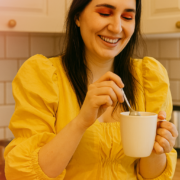
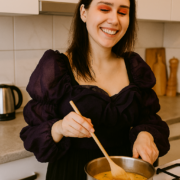
Mindful stirring

Why this practice?

Mindful movements during cooking connect body and mind and have calming effects. Even repetitive stirring can reduce anxiety when done with full presence ().

What is it?

A mindful cooking moment where you focus only on stirring or mixing.

How to use it

Choose a meal or drink that requires stirring.

As you stir, focus on the sound, rhythm, and sensation.

Let your thoughts rest, return to the motion.

Closing thought

Your hands can guide you to stillness. Let stirring be your pause.

Puzzle meditation

Why this practice?

Working with your hands on simple puzzles improves focus and reduces stress by engaging the brain’s problem-solving networks while calming the body.

What is it?

Using a small jigsaw, a crossword, or a logic puzzle as a meditative tool.

How to use it

Choose a puzzle that’s enjoyable but not frustrating.

Work for 10–15 minutes without pressure.

Focus only on shape, pattern, or clues, not time.

Closing thought

Solving doesn’t always mean fixing. It can simply mean being absorbed.

Comfort clothing ritual

Why this practice?

What you wear affects how you feel. Wearing something soft or comforting can increase self-soothing and safety signals.

What is it?

Choosing clothing is an act of emotional care.

How to use it

Pick something that feels physically comforting.

Wear it with intention, even if you’re staying home.

Notice how your body responds.

Closing thought

You’re allowed to dress for peace. Choose what calms you.

The grounding object

Why this practice?

Holding a familiar object can quickly bring a sense of stability during moments of stress. Tactile grounding helps regulate anxiety and activates parasympathetic calm responses ().

What is it?

Use a physical object (e.g., a stone, a bracelet, fabric) to anchor your focus.

How to use it

Choose a small, meaningful item.

Keep it in your pocket or bag.

Hold or touch it when you feel overwhelmed. Notice the texture and temperature.

Closing thought

In your hand, a reminder: you are here, and you are safe.

Cook Something Colourful

Why this practice?

Colourful meals encourage diverse nutrition, which supports mental and physical wellbeing. Preparing food mindfully also reduces stress and increases satisfaction ().

What is it?

Making a vibrant, simple meal with at least three colours of whole foods.

How to use it

Choose ingredients with different natural colours (e.g., spinach, carrot, beet).

Prepare with calm and presence.

Eat slowly and notice the taste and texture.

Closing thought

Food is fuel, and colour is medicine. Let your plate reflect your care.

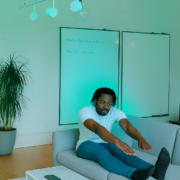
One-minute stretch

Why this practice?

Stretching improves circulation, reduces muscle tension, and increases endorphin levels. Even one minute of stretching can boost both mental and physical energy..

What is it?

A short, full-body stretch to refresh your focus and posture.

How to use it

Stand up or sit tall.

Reach arms overhead, then stretch side to side.

Roll your shoulders, stretch your legs, and take a deep breath.

Closing thought

Pause. Reach. Breathe. Your body will thank you, so will your mind.