Evening candle ritual

Why this practice?

Soft lighting helps transition the body from alertness to rest. Candlelight triggers the brain’s natural wind-down response, supporting better sleep ().

What is it?

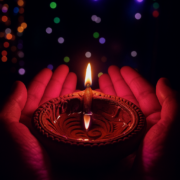
A simple act of lighting a candle to mark the end of your day.

How to use it

Choose a calm moment in the evening.

Light a candle and sit quietly for 3–5 minutes.

Reflect, breathe, or simply enjoy the flame.

Closing thought

Let light mark your pause. The flicker of flame signals that it’s okay to slow down.

One minute of nature

Why this practice?

Even brief exposure to natural elements reduces stress and boosts mood. A study found that just 40 seconds of viewing greenery improves focus ().

What is it?

A short moment of contact with nature, visual or physical.

How to use it

Step outside or look out a window.

Focus on a tree, plant, sky, or bird.

Breathe deeply and stay with that image for 60 seconds.

Closing thought

Even a minute of green can bring you back to balance. Nature doesn’t need much time, only your presence.

The sleep signal

Why this practice?

Consistent sleep signals help your brain prepare for rest. This reduces insomnia and improves sleep quality, says research from the Sleep Foundation (Sleep Foundation).

What is it?

A simple ritual that tells your brain it’s time to wind down.

How to use it

Choose a short activity (e.g., stretch, journal, herbal tea).

Do it at the same time each night.

Keep the lights low and avoid screens.

Closing thought

When your body recognises the rhythm, rest comes more easily. Teach your brain it’s safe to stop.

Morning hydration ritual

Why this practice?

Hydration affects brain function, mood, and energy levels. Studies link even mild dehydration to poor concentration and increased fatigue ().

What is it?

Drinking a glass of water shortly after waking up.

How to use it

Keep a glass or bottle by your bed.

Drink 250–500 ml water first thing in the morning.

Take a moment to check in with your body.

Closing thought

Before you reach for your phone, reach for your water. Nourish before you scroll.

Micro-movements at your desk

Why this practice?

Sedentary behaviour impacts mental health. Short, intentional movements improve blood flow, posture, and reduce stress ().

What is it?

Quick physical movements integrated into your workday.

How to use it

Every hour, do 1 minute of shoulder rolls, twists, or leg stretches.

Set a timer or use your natural task breaks.

Stay seated or stand, no need to leave your workspace.

Closing thought

You don’t need a gym to honour your body. Movement is medicine, even at your desk.

The five senses reset

Why this practice?

Sensory grounding helps calm anxiety and stress. Engaging the senses restores presence and balance in moments of overwhelm ().

What is it?

A mindful pause where you gently stimulate all five senses.

How to use it

Sight: Look at something natural or calming.

Sound: Listen to a soft or pleasant sound.

Smell: Inhale a scent that soothes you.

Touch: Hold or feel a grounding object.

Taste: Sip something simple (tea, water, mint).

Closing thought

When your mind races, your body can bring you back. Let your senses lead.

The self-check-in

Why this practice?

Mental health begins with self-awareness. Brief daily check-ins improve emotional literacy and prevent overwhelm..

What is it?

A daily moment where you ask yourself how you’re feeling. Physically, emotionally, and mentally.

How to use it

Set a reminder (morning or midday).

Ask: How do I feel in my body? Emotionally? Mentally?

Write it down or say it aloud.

Adjust your day if needed.

Closing thought

You can’t take care of what you ignore. Start by checking in, like you would with a friend.

The weekly body scan

Why this practice?

The body scan, a core technique in mindfulness-based interventions, helps us tune into physical sensations and uncover stress signals early. Clinical trials show it enhances body awareness and emotional regulation ().

What is it?

A guided or silent mental sweep through your body, noticing sensations without judgement.

How to use it

Lie down or sit comfortably.

Close your eyes and bring attention to your feet.

Slowly scan upwards: legs, hips, torso, shoulders, arms, neck, head.

Observe without changing anything.

End with a deep breath.

Closing thought

You carry your stress in your body. Noticing it is the first step toward releasing it.

Box breathing (4-4-4-4)

Why this practice?

Box breathing, used by Navy SEALs and therapists alike, is shown to balance the autonomic nervous system and reduce anxiety.

What is it?

A breathing pattern that consists of four equal parts: inhale, hold, exhale, hold.

How to use it

Inhale through your nose for 4 seconds.

Hold your breath for 4 seconds.

Exhale slowly for 4 seconds.

Hold again for 4 seconds.

Repeat for 3–5 minutes.

Closing thought

This square of breath builds calm. It’s a reliable reset for your nervous system, anytime, anywhere.

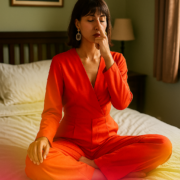
Alternate nostril breathing (Nadi Shodhana)

Why this practice?

A practice from Indian yogic traditions, alternate nostril breathing has shown measurable effects on the nervous system. Studies demonstrate it can lower heart rate and reduce anxiety levels ().

What is it?

A breathing practice where you alternately block one nostril while breathing through the other.

How to use it

Sit comfortably.

Close your right nostril with your thumb. Inhale through the left.

Close left nostril with ring finger. Exhale through right.

Inhale through right. Switch, and exhale through left.

Repeat for 2–3 minutes.

Closing thought

Breathe with intention. It’s a quiet power, calming your body, clearing your mind.